


Research Question: How can we help our environment?
Our third graders, Nature’s Helping Hands, were concerned about the amount of trash going to the landfill. This sparked questions and wonderings about what they could do to help. Students lead an initiative to collect leftover food waste from our school lunches. We put the food waste into a machine called a dehydrator. The dehydrator takes the moisture out of the food waste and creates a product called Dehydrated Food Waste (DFW). We are also working on creating compost bins using the DFW, compostable food waste from the cafeteria, and browns from our campus. Students recognize this as an organic form of recycling. In their research, they noticed that many people use harmful chemicals in their gardens. They decided to research environmentally-friendly ways of gardening.
In the spring, students will plant cabbages in our gardens and observe and measure their growth. They will use organic methods to help their cabbages grow healthy and strong while still deterring pests. Our goal is to eliminate as much waste from landfills as possible and create sustainable and organic ways of gardening at Brookwood.
Use of Data:
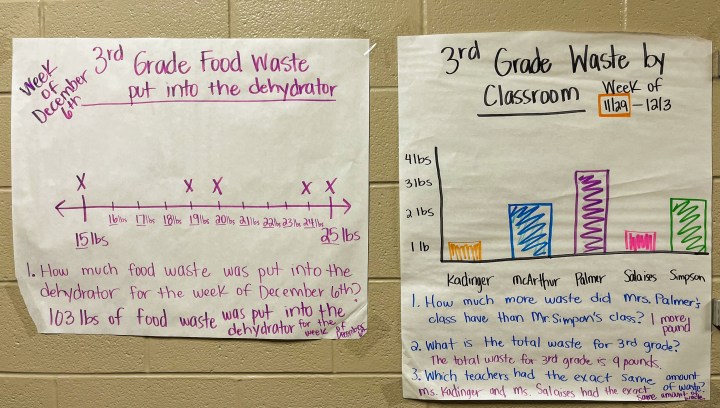
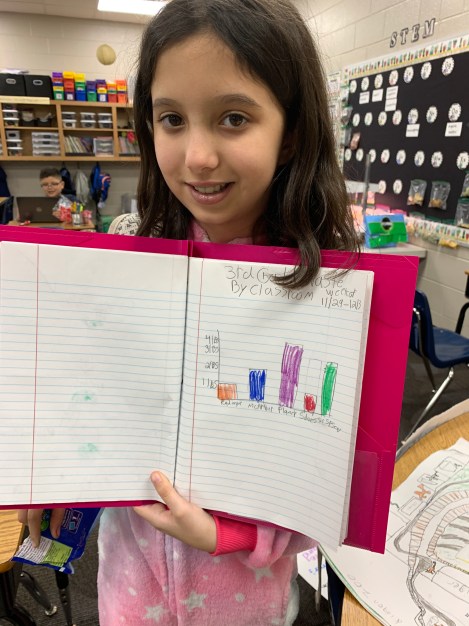
One way our students integrate our project into math is through data collection. Students gather data from the measurements of how much dehydrated food waste we generate each week. They record the data in their STEM journals. The results are then used to create bar graphs and identify any trends associate with the data. These trends prompt questioning, such as “Why do you think the amount of dehydrated food waste increased/decreased this week?”
Our Partners:
- Dalton Whitfield Solid Waste Authority partners with our students on teaching about recycling and waste reduction practices. They have offered a free field trip where they show students the process and benefits of recycling.

- Our students will donate their cabbage plants to Greater Works Ministries, an organization that helps feed those who are less fortunate.
- J&J Industries has helped provide a compost dehydrator for our school in order to reduce the daily cafeteria food waste.
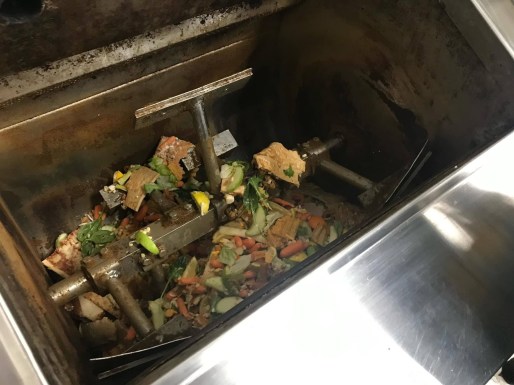

- Dr. Lancaster, who is on the board for the Lakeshore Community Garden, has taken our dehydrated food waste to use in the community garden.
Civic Contributions to our Community:
Our students spend the year learning about various ways to help the environment. There is a focus on composting and recycling, and its positive benefit to the environment. Each third grade class creates a compost bin. The compost is then used to grow cabbages for the National Bonnie Cabbage Contest. Then, the cabbages are donated to Greater Works as part of our civic contribution.

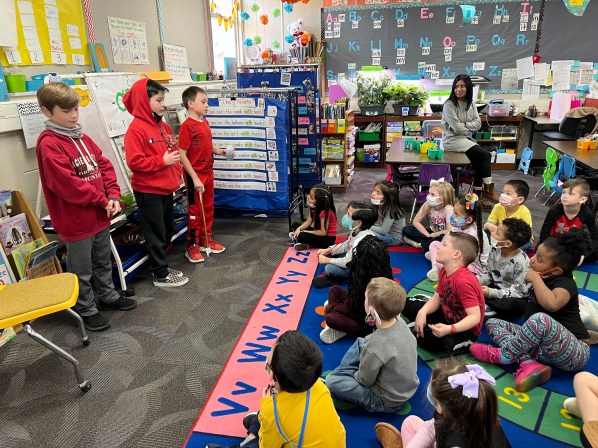
During the school year, our students went to different grade levels to share knowledge about composting and how we use the dehydrator in our composting process. They educated students and staff at our school about the benefits of composting in preparation of our school-wide dehydrated food waste initiative.
Integration of Core Curriculum with Research:
Literacy
We integrate core curriculum in many ways. Reading a variety of non fiction texts, including books and news articles about recycling. Students research and write about their STEM project in various genres.
3rd grade writing: Cabbage poem

3rd grade writing Compost critters
Math
Students integrate their STEM work in math by collecting, analyzing, and recording data. They use this data to create graphs which then sparks discussion for next steps.
Our Little Stories Of Effect On Students’ Lives:
We have had a number of students report that they are researching and beginning compost/recycling at home. Students are becoming experts on what goes in “good compost” and discovering many ways it can be used. Our students are becoming environmentally aware of their choices and how those choices impact daily living.
 brookwoodstem.com